Your New Atlanta House Was Pre-Treated for Termites. Now What?
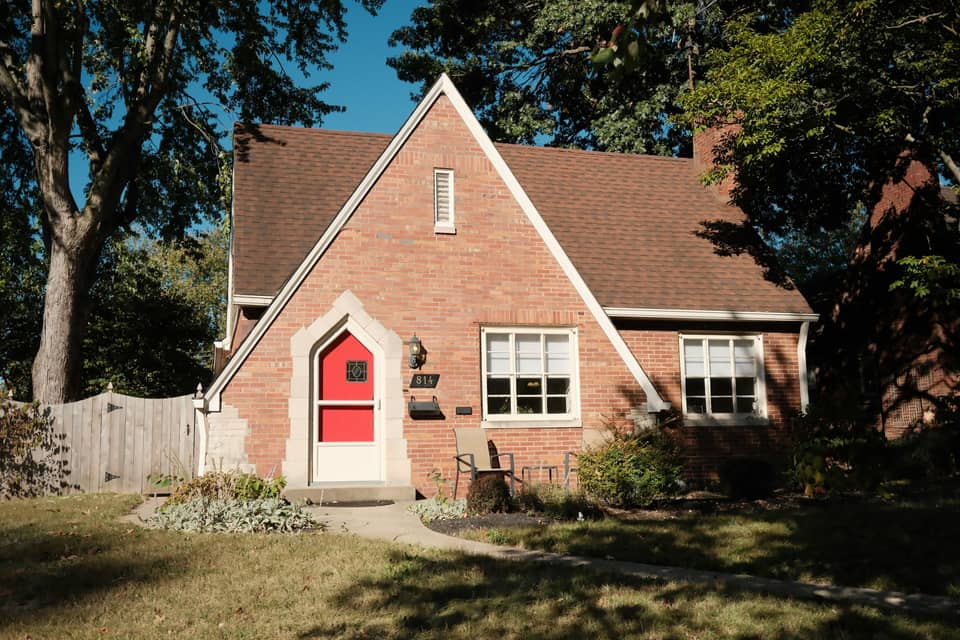
The teardown came with a termite contract
Brookhaven's 1960s and 1970s ranches are coming down one lot at a time. In Sandy Springs, large new houses are going up on wooded lots that run toward the Chattahoochee, and intown streets have their own share of teardowns. A new house in metro Atlanta is normally treated for subterranean termites while it is built, by a licensed Georgia pest control company, and that company reports the job to the state as a pre-construction treatment.
The treatment comes with a contract. Georgia Rule 620-6-.02 requires every termite contract to state its effective date and its contract period. When the period runs out, the protection the builder paid for runs out with it. Many owners who bought new never see that contract. It was a line in the builder's costs, and it ends up in a closing file or a binder nobody opens again. Owners who bought a three-year-old house from its first owner often have even less to go on.
Two ways a new house gets pre-treated
The paperwork reads differently depending on which method the builder's pest company used, so it helps to know both.
Liquid soil treatment before the slab is poured
The company treats the soil and fill under the future slab, then the slab goes over it. Georgia's control-measures rule, 620-6-.04, sets minimum standards for pre-construction work, including a minimum application rate for the fill under a residential slab and treatment of the soil where pipes come up through the slab and under expansion joints. Once the concrete is down, that treated soil is sealed under the house and nobody will see it again.
A bait system put in after the house is up
Some builders use termite bait stations set in the soil around the foundation instead. The Georgia Department of Agriculture's guidance policy on baiting systems used on new construction counts a bait system as a pre-construction treatment if it goes in within 90 days after the earliest of four events: the certificate of occupancy, the first day anyone lives there, the closing of the sale, or the builder finishing the backfill. The department's 2024 fact sheet on termite bait products (SPCC Notice 24-01) adds that a new-construction bait system must be installed and monitored by label directions for at least one year at no extra cost to the owner. After that first year, monitoring continues only if the contract is renewed.
How to tell which one you have
Bait stations show as round plastic caps set flush with the soil or mulch at intervals around the house. If you see them, you have a bait system and a company is supposed to be checking it. If you see none, the house was probably soil-treated, though only the paperwork confirms it. Georgia requires every bait contract to warn that removing the bait system may leave the house without termite protection, so a landscaper who pulls the caps out while redoing beds is a real problem.
A warranty is not a pre-treatment
Rule 620-6-.02 also says a warranty-only contract may not be issued in place of a pre-construction treatment. A warranty-only contract is one where the company inspects the house each year and agrees to treat if termites turn up, without treating at the start. Georgia limits these to one- and two-family houses and townhomes and requires an annual inspection.
In practice this means a builder's file should show an actual treatment: a soil application or a bait installation, with a date. If all you can find is a one-page warranty with no record of anything being applied, ask the company that issued it what was done on your lot and when.
Where the paperwork usually is
The closing documents
Search the closing package, paper or PDF, for "termite", "pest", "pre-treat" or "WDO". On a resale, the Official Georgia Wood Infestation Inspection Report, the termite letter, records whether an existing contract can be transferred to the buyer.
The builder's warranty binder
Many builders hand over a binder or an online portal at closing with appliance manuals and subcontractor contacts. A treatment certificate or the pest company's name is often in there. If it is not, the builder's warranty department will know which pest company it used on that subdivision or street.
The treating company
Under SPCC Notice 24-01 the company must keep copies of the contract, the pesticide use records and the diagram for the whole contract period and two years after it expires. A bait company must also give the owner or resident a pesticide use record every time it adds bait or changes the system. So the company is the most reliable copy of your file, and a phone call with the address is usually enough to get it. Some firms leave a sticker near the water heater or electrical panel with their name.
If you believe a treatment was never done at all, the Georgia Department of Agriculture's Structural Pest Control Division takes questions; its contact page is on the department's website.
What to read in the contract
Start with the effective date and the contract period, then work out the expiry date and put it in your calendar. Rule 620-6-.02 also requires the renewal terms to say how many years the renewal fee stays fixed and whether the company reinspects the house and roughly how often. Look for the diagram, which shows the outline of the house and, for a bait system, where each station sits.
For a bait system, ask for the monitoring records. Each monitoring visit has to record the date, the result at each station, and any station the technician could not check. A gap of a year or more in those records tells you the system has been sitting unwatched.
The difference between a retreatment-only and a repair contract, and how renewals work once you take over the contract, are covered in the Georgia termite bond guide linked from this page.
Where termites get into a new slab
A new slab has no termite history, which makes it easy to assume it has no termite risk. It has a few predictable weak spots, and they are the same ones the state's pre-construction rule targets.
The slab edge
The perimeter is where termites reach the house from the yard. New Atlanta lots get regraded, sodded and planted after closing, and fresh soil or deep mulch piled against the foundation can give termites a route over the treated zone and behind the siding, where nobody sees it. Keep a few inches of the slab edge visible all the way round.
The garage joint
The garage floor is often poured separately from the house slab, and the joint between them is a gap through the concrete. That is why Georgia's rule calls for treating the soil under expansion joints. Look along the joint and at the base of the wall between the garage and the house for pencil-width mud tubes.
Plumbing penetrations
Every drain and supply line that comes up through the slab leaves a gap around the pipe. Bathrooms and the kitchen sink are the usual places, and Georgia's rule calls for treating the soil where pipes come up for exactly this reason. Inside, look where pipes enter cabinets and behind access panels.
Anything poured after closing
A patio, a screened porch, an outdoor kitchen or deck footings added after you moved in sit outside the original treatment. Tell the company holding your contract before that work starts.
Deciding before it lapses
Once you have the contract and the expiry date, you have three choices: renew with the company that did the pre-treatment, have another company inspect and quote a new contract, or let it lapse. Renewing with the original company is often simplest, since it already has the diagram and every record for the house. A new company will start with its own inspection.
A few things should weigh on the decision. If you plan to sell within a few years, the buyer's lender or purchase contract may call for a termite letter, and FHA and VA loans may require one. If you have a bait system, letting it lapse leaves stations in the ground that nobody checks. If the yard has been regraded or a patio added since closing, the original treatment may not cover what is there now.
Call and say the house is new construction, roughly when it closed, and whether you have found the termite paperwork. A local company can look at the slab edge, the garage joint and the bait stations if you have them, and quote a renewal or a new contract before the old one runs out.
Where to go next
Common questions
How long does a new-construction termite pre-treatment last?
As long as the contract period written on the contract, which varies by company. Georgia requires every termite contract to state its effective date and contract period, so find the contract or ask the treating company for a copy.
Can I just buy a termite warranty instead of finding the pre-treatment?
Not as a replacement for the original treatment. Georgia Rule 620-6-.02 says a warranty-only contract cannot be issued in place of a pre-construction treatment, so the builder's company should have treated the soil or installed bait.
The builder installed bait stations. Who checks them?
The installing company must monitor a new-construction bait system for at least a year at no extra cost, under Georgia Department of Agriculture guidance. After that, the stations are checked only if someone renews the contract.
I bought my house from the first owner. Does the pre-treatment contract pass to me?
It depends on the contract. The termite letter from your closing records whether an existing contract is transferable, so check it, then call the company that did the pre-treatment.