Crawlspaces, Red Clay and Termites in Older Atlanta Houses
Updated 2026-10 · Atlanta, GA
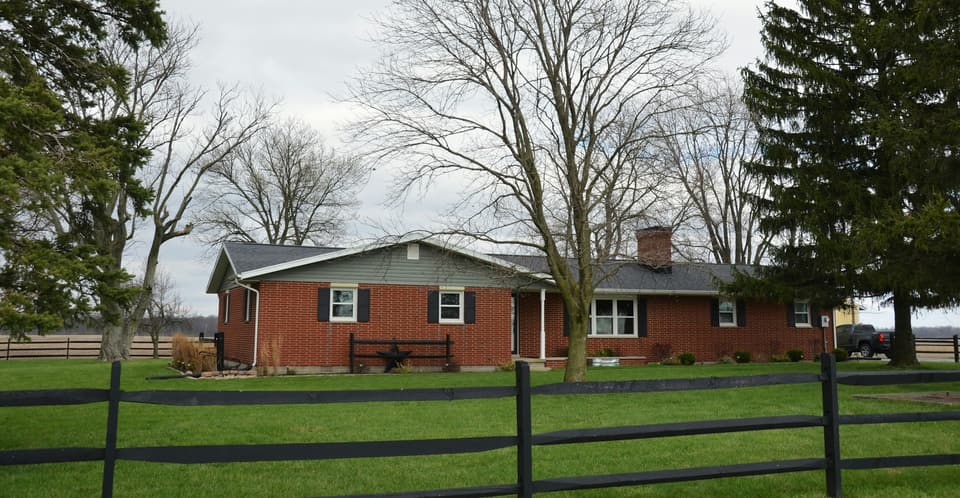
The house most of intown Atlanta lives in
Inman Park dates from the 1880s. Grant Park, West End, Virginia-Highland, Kirkwood and Morningside filled in over the following decades. A great many of those houses sit on brick piers or brick foundation walls over a crawlspace, with wood framing a foot or two above bare Georgia clay. It is a durable way to build, and it puts the three things termites need, soil, moisture and wood, within inches of one another.
Why the clay matters
Atlanta sits on Piedmont red clay, which drains slowly and holds water. After a storm the soil against a foundation stays wet for days, and on a sloped lot, which much of the city is, water runs toward the uphill wall of the crawlspace or basement. Damp soil lets subterranean termites forage right up to the foundation. Damp crawlspace air feeds wood-decay fungi, which the Georgia termite letter reports below the first floor, and gives camel crickets, Oriental cockroaches and other moisture-lovers a home.
What to look at yourself
- Gutters and downspouts: is water carried well away from the house, or dumped at the foundation?
- Grading: does the soil slope away from the walls, or has mulch and soil built up over the brick?
- The crawlspace floor: is there a vapour barrier covering the soil, and is it intact?
- Vents and the access door: can air move, and can someone actually get in?
- Wood near the ground: porch posts, steps, lattice and sill plates that touch or nearly touch soil.
- Pipes: any drip from plumbing or an AC condensate line landing in the crawlspace.
None of this needs a professional to spot. Most of it costs little to fix, and every item on the list makes a termite treatment work better.
Encapsulation and inspections
Sealing a crawlspace with a heavy liner, closed vents and a dehumidifier is a common upgrade in older Atlanta houses, and it does reduce moisture. It also changes what an inspector can see. A liner run up the foundation walls and over the piers can hide mud tubes, and Georgia's termite letter covers only accessible areas. If you are encapsulating, talk to your termite company first: ask whether the liner should stop short of the sill to leave an inspection gap, and whether the work affects your bond.
Renovations open the walls
When an old house is gutted, termite history comes to light. Old galleries in a sill or a stud are common and not always active. The time to find out is while the framing is exposed: have the house inspected, treated where needed, and note it in the contract diagram before drywall goes back up. Additions are the other gap. A new slab or foundation poured next to a treated house is untreated unless someone treats it.
Call to book an inspection for an older house. Say whether it is a crawlspace, a basement or both, and whether work is planned, and a local company will look at the whole foundation.
Where to go next
Common questions
Is a crawlspace house worse for termites than a slab?
Not necessarily worse, but different. A crawlspace is easier to inspect and treat directly. A slab hides entry points at its edges and penetrations.
Will a dehumidifier stop termites?
It helps with wood decay and moisture pests, and drier soil is less attractive, but subterranean termites come from the soil outside the foundation. A dehumidifier does not replace treatment.
Should wood touch the soil anywhere?
Ideally nowhere. Georgia treatment standards address the gap between wood and soil, and porch posts, steps and lattice in contact with clay are among the most common entry points in older houses.